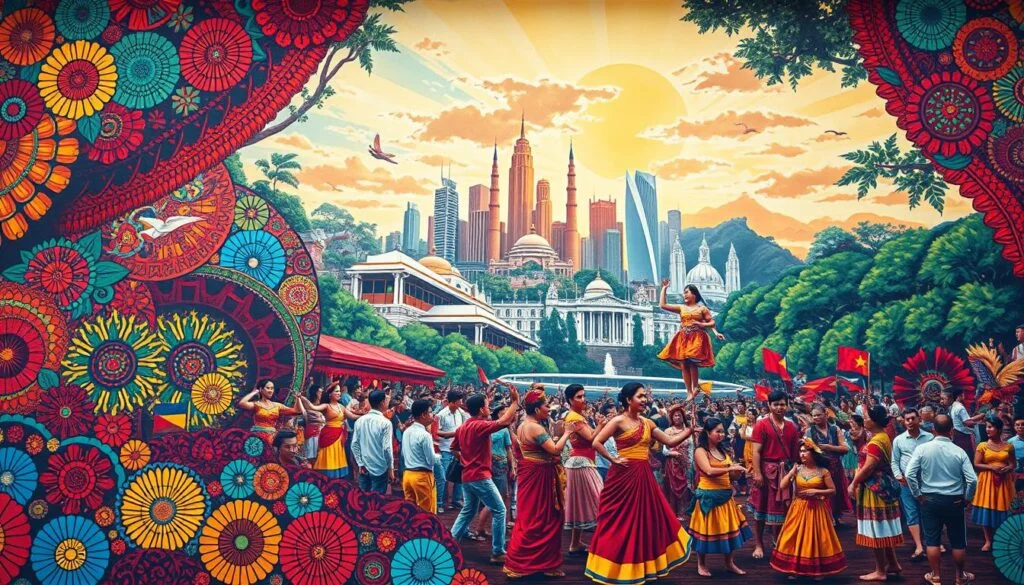
Arts and entertainment are deeply woven into the fabric of human existence, influencing how people see themselves and understand others. They are not only forms of creative expression but also powerful tools that shape cultural identity, preserve traditions, and bring communities together. Across different regions and time periods, arts and entertainment have reflected the values, struggles, and aspirations of societies.
Culture is often expressed through artistic mediums such as music, dance, literature, and visual arts. These forms act as mirrors, capturing the essence of a community’s way of life. Traditional dances, folk songs, and handcrafted art pieces carry stories passed down through generations. They serve as living records of history, preserving customs and beliefs that might otherwise fade over time. In this way, arts and entertainment play a crucial role in maintaining cultural continuity.
At the same time, they are not static. Culture evolves, and so do the ways it is expressed. Modern influences, globalization, and technological advancements have led to the blending of different artistic styles. This fusion creates new forms of expression that reflect a more interconnected world. For example, contemporary music often combines elements from various cultures, resulting in unique sounds that appeal to diverse audiences. This blending not only enriches art but also promotes cultural exchange and understanding.
Entertainment also plays a significant role in shaping social identity. The media people consume—whether films, television shows, or online content—often influences their perceptions, behaviors, and aspirations. Characters in stories can become role models, and narratives can shape how individuals view issues such as gender roles, relationships, and success. Positive representation in media can empower marginalized communities, while lack of representation can reinforce stereotypes and inequalities.
The global reach of modern entertainment has made it a powerful cultural force. Movies, music, and digital content can quickly spread across borders, influencing audiences worldwide. This has led to the rise of global pop culture, where trends and ideas are shared on an unprecedented scale. While this creates opportunities for cultural exchange, it also raises concerns about cultural homogenization, where local traditions may be overshadowed by dominant global influences.
Despite these challenges, local arts and entertainment industries continue to thrive by adapting to changing times. Many artists draw inspiration from their cultural roots while incorporating modern elements into their work. This balance allows them to preserve their heritage while remaining relevant in a globalized world. Governments and organizations also play an important role by supporting cultural initiatives, funding the arts, and promoting local talent.
Another important aspect of arts and entertainment is their ability to unite people. Festivals, concerts, and public performances bring individuals together, creating shared experiences that strengthen social bonds. These events often celebrate cultural diversity and provide a platform for different communities to showcase their traditions. In doing so, they foster a sense of pride and belonging among participants.
In addition to unity, arts and entertainment can also challenge societal norms and encourage progress. Many artists use their work to address social and political issues, sparking dialogue and inspiring change. Through satire, storytelling, and visual symbolism, they can question authority, highlight injustices, and advocate for reform. This ability to provoke thought and inspire action makes art a powerful agent of transformation.
Education is another area where arts and entertainment have a significant impact. Exposure to creative activities helps individuals develop critical thinking, imagination, and emotional intelligence. It encourages people to explore new ideas and perspectives, broadening their understanding of the world. Educational programs that incorporate arts often lead to more engaged and well-rounded learners.
Furthermore, arts and entertainment contribute to personal identity. The music people listen to, the films they watch, and the books they read often become part of who they are. These influences shape tastes, values, and even life choices. For many individuals, engaging with art is a way to explore their identity and express their individuality.
The digital era has further expanded the influence of arts and entertainment on culture and identity. Social media platforms allow individuals to share their creativity with a global audience. This has given rise to new cultural trends and communities that exist entirely online. While this has democratized artistic expression, it has also introduced challenges such as cultural appropriation and the rapid spread of trends without proper context.
Looking ahead, the relationship between arts, entertainment, and culture will continue to evolve. As technology advances and societies become more interconnected, new forms of expression will emerge. However, the fundamental role of arts and entertainment in shaping culture and identity will remain unchanged. They will continue to reflect the human experience, capturing both its diversity and its shared essence.
In conclusion, arts and entertainment are essential to understanding culture and identity. They preserve traditions, inspire innovation, and bring people together. By supporting and engaging with the arts, individuals and societies can celebrate their uniqueness while embracing the richness of global diversity. In a world that is constantly changing, arts and entertainment provide a sense of continuity, connection, and meaning.