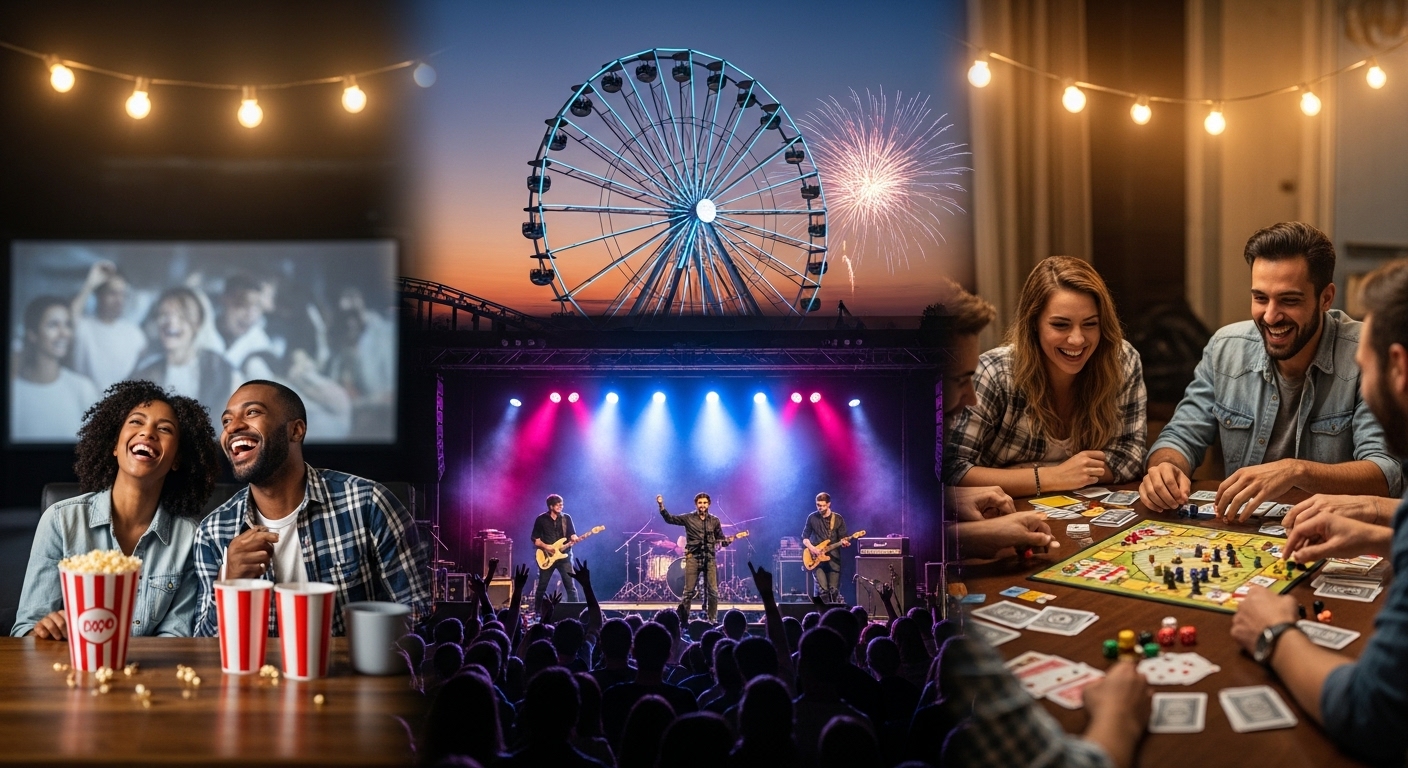
Arts and entertainment have always played a central role in human civilization, serving as both a reflection of society and a powerful force that shapes it. From ancient cave paintings to modern digital media, the ways in which people create and consume art have evolved dramatically. Today, arts and entertainment encompass a vast spectrum, including visual arts, music, film, theater, literature, and digital content, each contributing uniquely to cultural identity and human expression.
At its core, art is a means of communication. Long before written language developed, early humans used visual imagery to convey ideas, emotions, and experiences. These early forms of artistic expression laid the groundwork for the diverse art forms we see today. Over time, art has expanded beyond mere representation to become a tool for commentary, protest, and storytelling. Whether it is a painting that challenges political systems or a song that captures the spirit of a generation, art has the ability to transcend boundaries and connect people across cultures.
Entertainment, while closely related to art, serves a slightly different purpose. It is primarily designed to engage, amuse, and provide enjoyment. However, the line between art and entertainment is often blurred. A film, for example, can be both a work of artistic brilliance and a source of entertainment for millions. Similarly, music can be deeply meaningful while also being widely accessible and enjoyable. This overlap is what makes the world of arts and entertainment so dynamic and influential.
One of the most significant transformations in arts and entertainment has been driven by technology. The digital revolution has redefined how content is created, distributed, and consumed. Streaming platforms, social media, and digital tools have made it easier than ever for artists to share their work with a global audience. This democratization of creativity has given rise to new voices and perspectives that might have otherwise gone unheard.
For instance, independent filmmakers can now produce and distribute their work without the backing of major studios. Musicians can release their songs online and build a fanbase without traditional record labels. Visual artists can showcase their portfolios on digital platforms and connect with audiences worldwide. This shift has not only expanded opportunities for creators but has also diversified the types of content available to audiences.
Despite these advancements, traditional forms of art and entertainment continue to hold great value. Theater performances, live concerts, and gallery exhibitions offer experiences that cannot be fully replicated through digital means. The energy of a live audience, the immediacy of a performance, and the tactile presence of physical artwork create a sense of connection that is both intimate and powerful. These experiences remind us of the human element at the heart of all artistic endeavors.
Another important aspect of arts and entertainment is their role in preserving cultural heritage. Through storytelling, music, dance, and visual arts, communities pass down traditions, beliefs, and histories from one generation to the next. This cultural continuity helps maintain a sense of identity and belonging, especially in an increasingly globalized world. At the same time, exposure to different forms of art allows people to appreciate diverse cultures and perspectives, fostering empathy and understanding.
The economic impact of arts and entertainment should not be overlooked. The industry generates billions of dollars annually and provides employment to millions of people worldwide. From actors and musicians to technicians and designers, a wide range of professionals contribute to the creation and distribution of content. In many countries, the arts sector is a significant driver of tourism, attracting visitors who seek cultural experiences such as festivals, museums, and performances.
However, the industry also faces several challenges. Issues such as copyright infringement, unequal access to resources, and the commercialization of art can impact both creators and consumers. The pressure to produce content that is commercially successful can sometimes limit artistic freedom, leading to a focus on trends rather than innovation. Additionally, not all artists have equal access to the tools and platforms needed to share their work, which can create disparities within the industry.
Education plays a crucial role in addressing these challenges and nurturing future generations of artists. By integrating arts education into school curricula, societies can encourage creativity, critical thinking, and self-expression. Exposure to different art forms at a young age helps individuals develop an appreciation for culture and can inspire them to pursue careers in the arts. Furthermore, arts education fosters skills that are valuable in many fields, including communication, problem-solving, and collaboration.
In recent years, there has also been a growing recognition of the therapeutic benefits of art. Art therapy is increasingly used to support mental health, allowing individuals to express emotions and experiences that may be difficult to articulate through words. Whether through painting, music, or writing, engaging in creative activities can provide a sense of relief, healing, and personal growth.
Looking ahead, the future of arts and entertainment is likely to be shaped by continued technological innovation and changing audience preferences. Virtual reality, artificial intelligence, and immersive experiences are already beginning to transform how people interact with content. These advancements have the potential to create entirely new forms of artistic expression and redefine the boundaries of entertainment.
At the same time, the fundamental purpose of arts and entertainment will remain unchanged. They will continue to inspire, challenge, and connect people. In a world that is constantly evolving, art provides a sense of continuity and meaning. It allows individuals to explore their identities, share their stories, and engage with the world around them in profound ways.
In conclusion, arts and entertainment are essential components of human life. They enrich our experiences, shape our cultures, and offer a window into the diverse realities of people around the globe. As technology continues to evolve and new forms of expression emerge, the importance of supporting and valuing the arts becomes even more critical. By fostering creativity and ensuring access to artistic opportunities, societies can continue to benefit from the transformative power of arts and entertainment for generations to come.