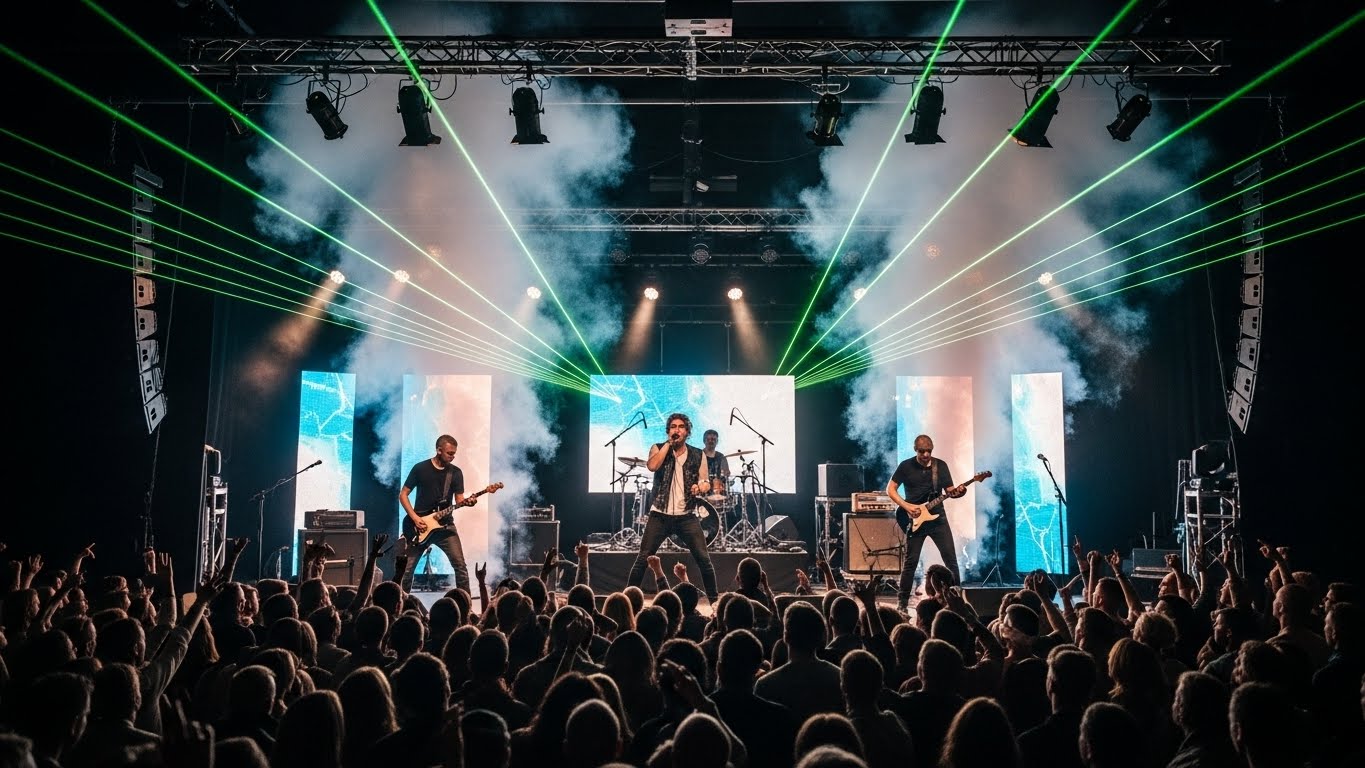
Arts and entertainment are not merely sources of leisure; they are powerful forces that shape opinions, influence cultures, and reflect the complexities of human life. In today’s fast-paced and interconnected world, their impact has grown even more profound. From cinema and music to digital content and live performances, arts and entertainment continue to redefine how people perceive themselves and the world around them.
One of the most compelling aspects of arts and entertainment is their ability to tell stories. Storytelling is a fundamental human activity that transcends time and geography. Through films, novels, theater, and even video games, stories allow individuals to explore different perspectives and experiences. They offer a safe space to confront difficult topics such as inequality, conflict, and identity. By presenting these issues in engaging and relatable ways, artists can spark meaningful conversations and inspire social change.
In modern society, film and television have become dominant forms of entertainment. They not only provide escapism but also influence cultural norms and values. Characters, dialogues, and narratives often shape public opinion and behavior. For example, socially conscious films can raise awareness about environmental issues, mental health, or human rights. Similarly, television series that portray diverse characters and lifestyles contribute to greater acceptance and inclusivity.
Music is another universal form of expression that holds immense cultural significance. It has the power to evoke emotions, bring people together, and serve as a voice for social movements. Throughout history, music has been used to protest injustice, celebrate identity, and promote unity. Today, with the rise of digital platforms, music reaches audiences instantly across the globe. This accessibility has led to the blending of genres and the emergence of new styles, reflecting the interconnected nature of modern culture.
The rise of digital media has revolutionized the arts and entertainment industry. Social media platforms, streaming services, and online content creation have transformed how audiences engage with art. Individuals are no longer passive consumers; they actively participate by sharing, commenting, and even creating their own content. This shift has blurred the line between creators and audiences, making the industry more interactive and inclusive.
Content creators, such as vloggers, podcasters, and independent artists, have gained significant influence in recent years. They often build loyal communities by producing authentic and relatable content. Unlike traditional media, which is often controlled by large corporations, digital platforms allow for greater creative freedom. This has led to a diverse range of voices and perspectives being represented, enriching the cultural landscape.
However, the digital age also presents challenges. The sheer volume of content available can make it difficult for high-quality work to stand out. Additionally, issues such as misinformation, copyright infringement, and the pressure to maintain online popularity can affect creators. Despite these challenges, the digital revolution continues to open new doors for innovation and creativity.
Another important dimension of arts and entertainment is their economic contribution. The industry is a major driver of global economies, generating employment and revenue across various sectors. Film production, music recording, theater performances, and art exhibitions all require a network of skilled professionals. Beyond direct employment, the industry also supports related sectors such as tourism, marketing, and technology.
Cultural festivals and events play a vital role in promoting arts and entertainment while boosting local economies. These gatherings celebrate creativity and bring communities together. They also provide opportunities for artists to showcase their work and connect with audiences. In many regions, such events are essential for preserving cultural traditions and promoting national identity.
Education and arts are deeply interconnected. Exposure to artistic activities enhances creativity, critical thinking, and emotional intelligence. Schools that incorporate arts into their curricula often see improved student engagement and performance. Learning about different art forms also helps students develop a broader understanding of the world, encouraging empathy and open-mindedness.
Moreover, arts and entertainment contribute significantly to mental well-being. Engaging with art—whether by creating or experiencing it—can reduce stress, improve mood, and foster a sense of fulfillment. In a world where people often face pressure and uncertainty, entertainment provides a much-needed escape and a source of comfort. Meanwhile, artistic expression allows individuals to process emotions and communicate experiences that may be difficult to express otherwise.
The relationship between arts, entertainment, and technology continues to evolve. Innovations such as virtual reality, augmented reality, and artificial intelligence are creating immersive experiences that redefine traditional forms of storytelling. Audiences can now step into virtual worlds, interact with characters, and become part of the narrative. These advancements are not only changing how stories are told but also how they are experienced.
Despite these technological advancements, the essence of arts and entertainment remains deeply human. At its heart, art is about connection—connecting people to ideas, emotions, and each other. Whether through a live concert, a painting in a gallery, or a film watched at home, the experience of art is deeply personal and meaningful.
Looking forward, the future of arts and entertainment will likely be shaped by a balance between tradition and innovation. While new technologies will continue to expand creative possibilities, there will always be a place for classical art forms and live experiences. The challenge lies in preserving authenticity while embracing change.
In conclusion, arts and entertainment are vital to the fabric of modern society. They influence culture, drive economic growth, and enhance individual well-being. As the world continues to evolve, their role will only become more significant. By supporting artists, encouraging creativity, and ensuring access to diverse forms of expression, societies can harness the full potential of arts and entertainment to inspire, educate, and unite people across the globe.